

Ringworm: Causes, Symptoms and Treatment
Ringworm is a common skin infection caused by fungi. Despite its name, it is not caused by a worm. It can affect the skin, scalp, feet and other parts of the body. Ringworm is contagious and can spread from one person to another.
Causes of Ringworm
Ringworm is caused by fungi that grow on the skin, hair and nails. It can spread through direct contact with an infected person or animal, or by touching contaminated items such as towels, clothing and combs. Warm, moist environments can encourage the growth of these fungi.
Signs and Symptoms
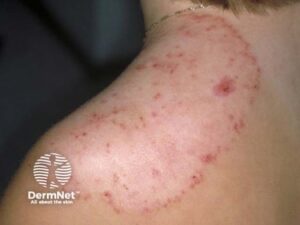
The most common symptom of ringworm is a circular, red or scaly rash that may have a clearer centre. The affected area may be itchy, irritated and uncomfortable. When ringworm affects the scalp, it may cause scaly patches and hair loss.
Treatment and Prevention
Ringworm can usually be treated with antifungal creams, lotions or medicines. Scalp infections may require prescription medication from a doctor. To prevent ringworm, people should keep their skin clean and dry, avoid sharing personal items, wash their hands regularly and avoid close contact with infected people or animals.
Conclusion
Ringworm is a common and treatable fungal infection. Recognising its symptoms early and following appropriate treatment can help prevent it from spreading. If the infection does not improve, affects the scalp or becomes severe, it is important to seek medical advice.
If you have any concerns on your skin and would like a skin check, information and appointments can be made here.