

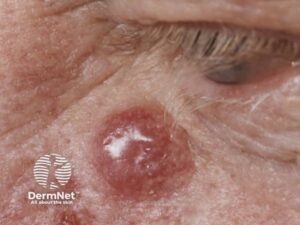
If you notice a new, fast-growing lump on your skin, it is important to see a healthcare professional as soon as possible.
 |
 |
Merkel cell carcinoma (MCC) is a rare but aggressive form of skin cancer that develops from Merkel cells in the skin, which are responsible for light touch sensation. It most commonly affects older adults and individuals with weakened immune systems. Although uncommon, MCC is considered highly dangerous because it tends to grow rapidly and has a significant risk of spreading to lymph nodes and other organs if not detected early.
Signs and Symptoms
Why Early Detection is Important
Early detection of Merkel cell carcinoma is crucial because of its aggressive nature. Once diagnosed through a skin biopsy and imaging studies to assess spread, treatment is planned based on the stage of the disease. Management typically involves surgical removal of the tumour, often combined with radiotherapy to reduce the risk of recurrence. In advanced cases, immunotherapy has become an important treatment option, while chemotherapy may be used in selected patients.
Prevention and Skin Health Tips
Preventive strategies focus mainly on reducing UV exposure by using sunscreen, wearing protective clothing, and avoiding tanning beds. Regular skin examinations are especially important for high-risk individuals. Any new or rapidly enlarging skin lesion should be evaluated promptly by a healthcare professional to ensure early diagnosis and better outcomes.
For information on our services please visit our home page.
If you have any lesions of concern and would like to book a skin check please visit our booking page.