

Figure 1. Medical Professionals. User-supplied image. © Copyright belongs to the original creator or publisher of the Medical Professionals. Used for reference/ educational purposes only.
A Complete Guide to Dermatologists, Trained Dermoscopists & GPs.
Australia has one of the highest rates of skin cancer in the world, and choosing the right professional for your skin check can make a big difference. Many people are unsure whether they should see a dermatologist, a highly trained dermoscopist, a GP with no dermoscopy training, or a GP who has specialised in skin cancer medicine.
This guide breaks down the differences—so you can choose confidently and protect your skin long-term.
Dermatologist
Best for: Complex cases, rare skin diseases, and advanced management
Pros:
- Medical specialist with 10+ years of postgraduate training
- Expertise in diagnosing rare or complex skin cancers
- Can manage advanced cases, perform surgery, and provide ongoing treatment
- Able to diagnose ALL skin diseases—not just skin cancer
Cons:
- Long wait times (months in many areas)
- Higher consultation costs
- Often limited availability for routine skin checks
- May or may not use dermoscopy consistently
Best choice if:
You have a suspicious lesion, a history of melanoma, unusual skin changes, or a complex medical background.
Highly Trained Dermoscopist
Best for: Comprehensive routine skin cancer checks with advanced imaging
A trained dermoscopist is a practitioner (often a clinician with dermoscopy qualifications) who specialises in using a dermatoscope—an advanced magnifying device that dramatically improves accuracy in detecting early skin cancers.
Pros:
- Dedicated to skin cancer detection
- Uses dermoscopy, digital imaging and mapping
- Highly skilled at early detection of melanoma and non-melanoma cancers
- Thorough and detailed skin checks
- Often faster access than dermatologists
Cons:
- May not be able to diagnose or treat complex or rare skin diseases
- Scope of practice varies depending on qualifications
Best choice if:
You want a specialised, high-accuracy skin check with someone who uses dermoscopy every day—and you want results quickly.
GP With No Dermoscopy Training
Best for: Basic screening only, not recommended for detailed skin checks
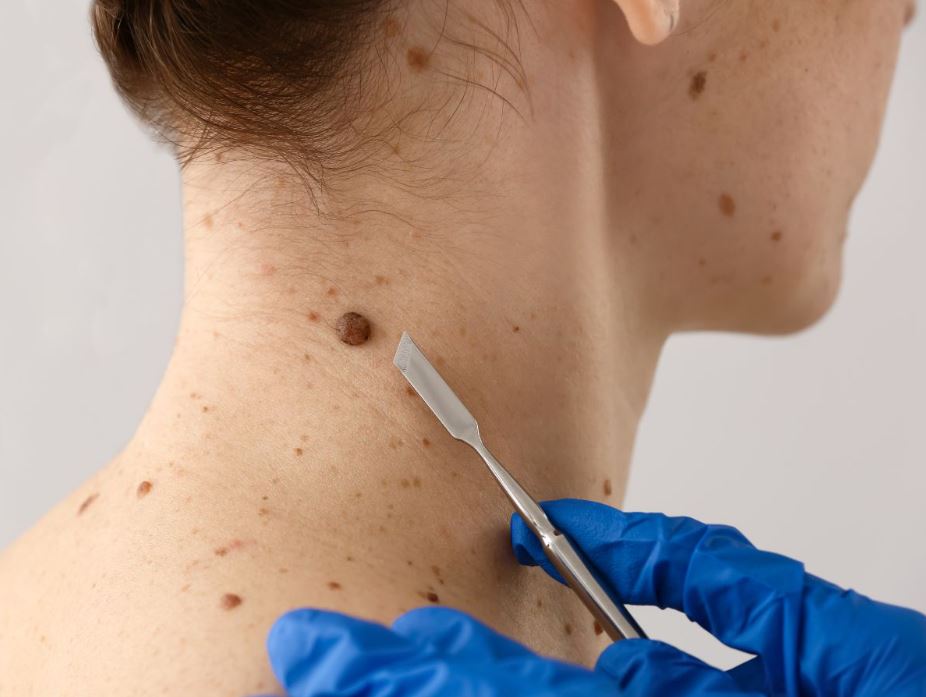
Figure 2. Scalpel & Mole. User-supplied image. © Copyright belongs to the original creator or publisher of the Scalpel & Mole. Used for reference/ educational purposes only.
Pros:
- Accessible and familiar
- Good starting point if you notice a new spot
Cons:
- Dermoscopy training varies widely
- Without dermoscopy skills, up to 30–50% of early melanomas can be missed
- May unnecessarily cut out benign lesions or overlook subtle ones
- Not ideal for high-risk patients
Best choice if:
You need a general health check—but not a dedicated skin cancer assessment.
GP Specialised in Skin Cancer Medicine
Best for: General practice doctor with targeted skin cancer expertise
These GPs have additional training in dermoscopy, skin cancer diagnosis, and minor surgery—often through programs such as Skin Cancer College Australasia or HealthCert.
Pros:
- Strong dermoscopy training + medical background
- Able to diagnose, biopsy, and treat most skin cancers
- Faster access than dermatologists
- Usually more affordable
- Excellent option for ongoing monitoring
Cons:
- Training levels vary (basic certificate → advanced → professional diploma)
- May refer complex cases to dermatologists
Best choice if:
You want an experienced doctor who can perform examinations, biopsies, and excisions in one clinic.
So… Who Is the Best Person to See?
For the most accurate routine skin cancer check:
✔️ A highly trained dermoscopist
✔️ OR a GP with specialised skin cancer qualifications
Both regularly use dermoscopy and skin imaging, which dramatically improves early detection.
For complex or unusual cases:
✔️ A dermatologist
Least recommended:
❌ A GP with no skin cancer or dermoscopy training, especially for high-risk patients.
Why Dermoscopy Training Matters
Dermoscopy increases diagnostic accuracy by allowing the practitioner to see:
- Pigment patterns
- Blood vessel structures
- Early melanoma features invisible to the naked eye
Research consistently shows that trained dermoscopists detect skin cancer earlier and with fewer unnecessary biopsies.
The Bottom Line
The “best” person depends on your risk level and needs—but for most people seeking reliable, accurate skin checks, a trained dermoscopist or a GP specialising in skin cancer medicine offers the ideal combination of expertise, accessibility, and affordability.