

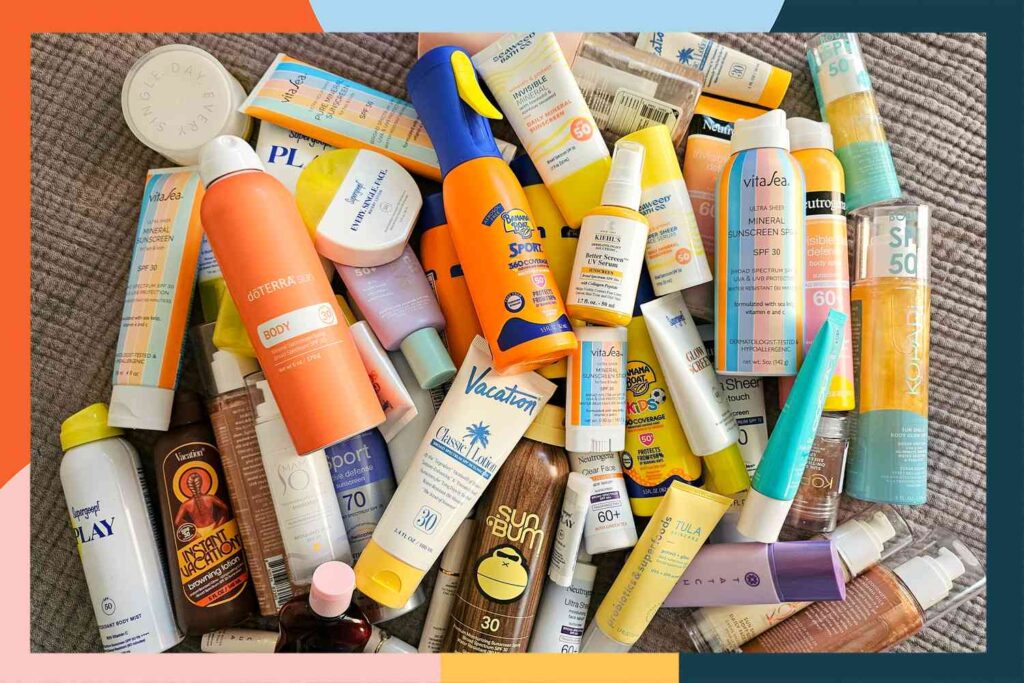
Figure 1. Sunscreen Pile. User Supplied Image. © Copyright belongs to the original creator or publisher of the Sunscreen Pile. Used for reference/ educational purposes only.
Choosing the right sunscreen can feel overwhelming with so many options on the shelf. But the best sunscreen for you depends on three key things:
- Your skin tone
- Your skin type (dry, oily, sensitive, acne-prone)
- Whether you prefer a physical (mineral) or chemical sunscreen
Below is a simple guide that breaks it all down so you can pick the right protection every time.
Why Sunscreen Matters in Australia
Australia has some of the world’s highest UV levels, and Queensland consistently has the highest skin cancer rates in the nation. Regular sunscreen use is essential for preventing sunburn, premature ageing, pigmentation, and skin cancer.
Physical vs Chemical Sunscreen
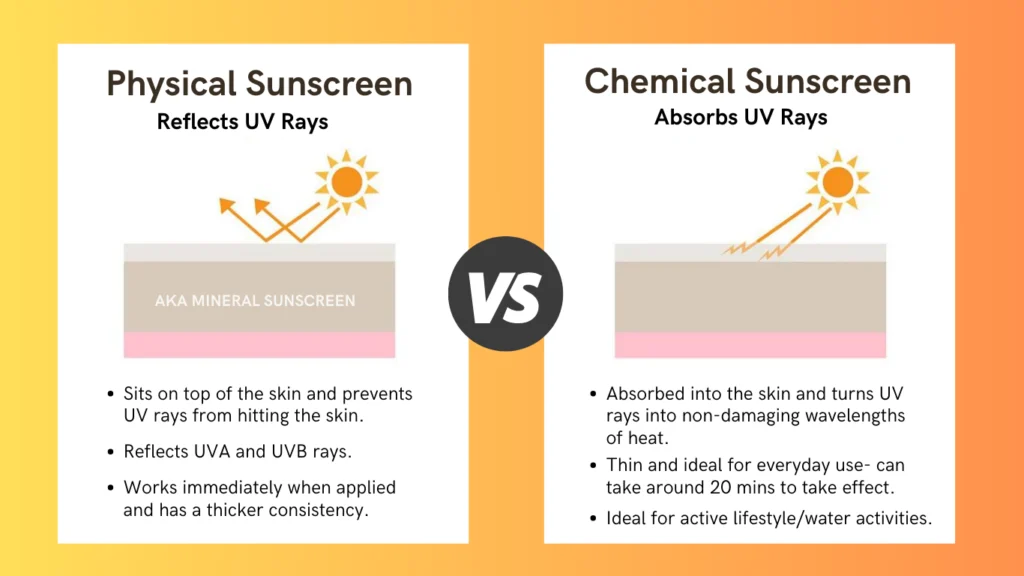
Figure 2. Physical VS Chemical Sunscreen. User Supplied Image. © Copyright belongs to the original creator or publisher of the Physical VS Chemical Sunscreen. Used for reference/ educational purposes only.
Physical (Mineral) Sunscreen
Active ingredients: Zinc oxide, titanium dioxide
How it works: Sits on top of the skin and reflects UV rays
Good for:
- Sensitive skin
- Pregnancy
- Rosacea or eczema
- Children
- People wanting less chemical absorption
Pros:
✔ Immediately protective
✔ Less irritating
✔ Safer for reactive skin
Cons:
✘ Can leave a white cast on deeper skin tones
✘ May feel thicker on the skin
Chemical Sunscreen
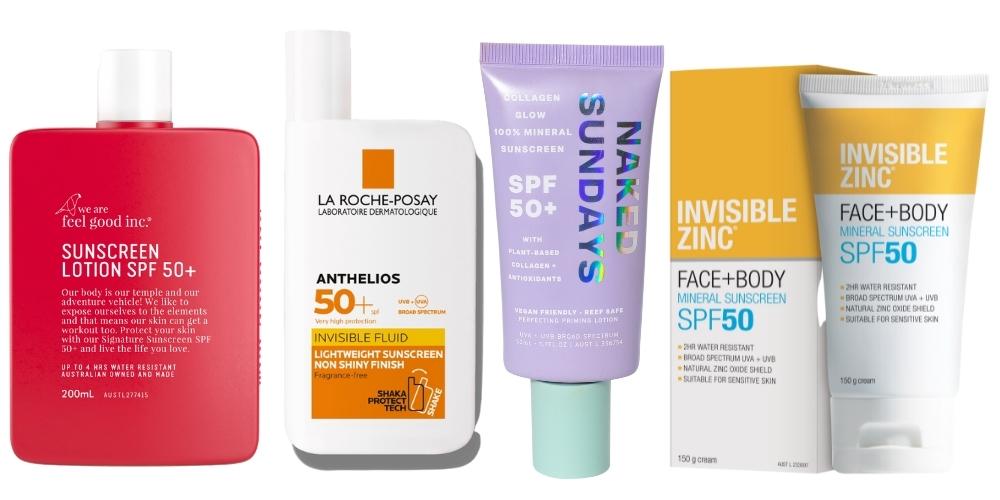
Figure 3. Physical & Chemical Sunscreen. User Supplied Image. © Copyright belongs to the original creator or publisher of the Physical & Chemical Sunscreen. Used for reference/ educational purposes only.
Active ingredients: Oxybenzone, avobenzone, octocrylene, homosalate, etc.
How it works: Absorbs UV rays and converts them to heat
Good for:
- Medium to deep skin tones
- People wanting a lightweight formula
- Sports, water activities
- Daily under-makeup use
Pros:
✔ Blends easily
✔ No white cast
✔ Comes in lightweight, sheer textures
Cons:
✘ Can irritate very sensitive skin
✘ Must apply 20 mins before sun exposure
Best Sunscreen Based on Skin Tone
Fair or Light Skin
People with lighter skin tones burn more quickly, so high UVA + UVB protection is essential.
Best choices:
- Physical sunscreens with zinc oxide (great for sensitive skin)
- Broad-spectrum SPF 50+
- Tinted physical sunscreen to avoid white cast
Top picks:
- Zinc-based SPF 50+ lotions
- Tinted mineral SPF for daily use
Medium or Olive Skin
Medium skin tones still burn—just not as quickly—but pigmentation (melasma, dark spots) can appear easily.
Best choices:
- Chemical sunscreens for a sheer, no-cast finish
- Lightweight gels or fluids
- Tinted mineral sunscreens if you get pigmentation
Top picks:
- Multi-blend chemical SPF 50+
- Invisible fluid sunscreens
- Tinted mineral SPF for melasma-prone skin
Deep or Dark Skin
Deep skin tones are less likely to burn but more prone to uneven pigmentation, which sunscreen helps prevent.
Best choices:
- Chemical sunscreens (no white cast)
- Gel or serum textures
- Invisible mineral sunscreens (new formulas are much better!)
Top picks:
- Chemical SPF 50+
- Invisible zinc formulas
- Sheer serum SPFs
Which One Should You Choose
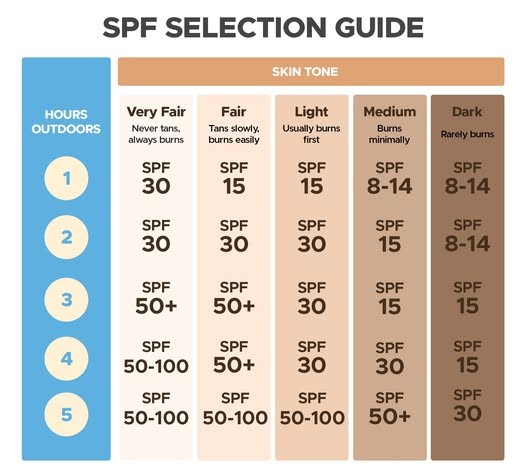
Figure 4. SPF Selection Guide. User Supplied Image. © Copyright belongs to the original creator or publisher of the SPF Selection Guide. Used for reference/ educational purposes only.
| Skin Concern | Best Sunscreen |
| Sensitive or reactive skin | Physical (zinc/titanium) |
| Pigmentation / melasma | Tinted physical or high-UVA chemical |
| Deep skin tone | Chemical or invisible zinc |
| Oily skin | Gel or fluid chemical sunscreen |
| Dry skin | Creamy mineral or hydrating chemical sunscreen |
| Pregnancy | Physical sunscreen |
Final Tips for All Skin Tones
- Use SPF 50+ daily in Australia
- Apply at least 2 finger lengths of sunscreen for the face
- Reapply every 2 hours outdoors
- Daily use reduces the risk of skin cancer and slows visible ageing