


Fungal skin infections are among the most common conditions seen in dermatology clinics across Australia. While often mild, they can cause discomfort, spread easily, and in some cases, become persistent without proper treatment.
At Skin Check Australia, our skin specialists provide accurate diagnosis and evidence-based management for all types of fungal infections — helping you achieve clearer, healthier skin.
What Is a Fungal Skin Infection?
Fungal infections (also called mycoses) occur when microscopic fungi invade the skin, hair, or nails.
These fungi thrive in warm, moist environments — such as between the toes, under the breasts, or in skin folds — and spread through direct contact, contaminated surfaces, or shared personal items.
Common Types of Fungal Infections
1. Tinea (Ringworm)
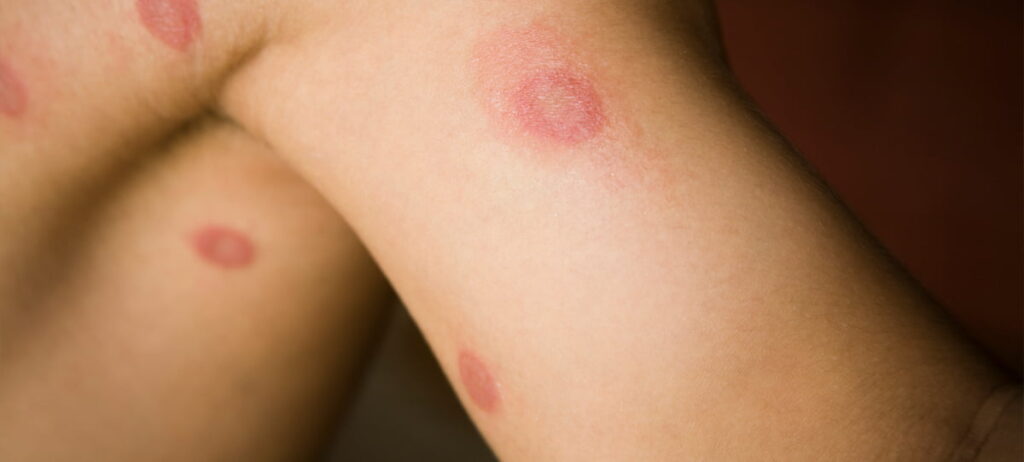
- Cause: Dermatophyte fungi
- Appearance: Circular, scaly red patches with raised edges
- Locations:
- Tinea corporis (body)
- Tinea pedis (athlete’s foot)
- Tinea cruris (groin, “jock itch”)
- Tinea capitis (scalp)
- Symptoms: Itching, flaking, cracking skin, and ring-shaped rash
2. Yeast Infections (Candida)
- Cause: Candida albicans, a naturally occurring yeast
- Appearance: Red, shiny patches with small satellite pustules
- Common areas: Skin folds, under breasts, groin, or diaper area
- Triggers: Humidity, sweating, antibiotics, diabetes, or immunosuppression
3. Nail Fungal Infections (Onychomycosis)
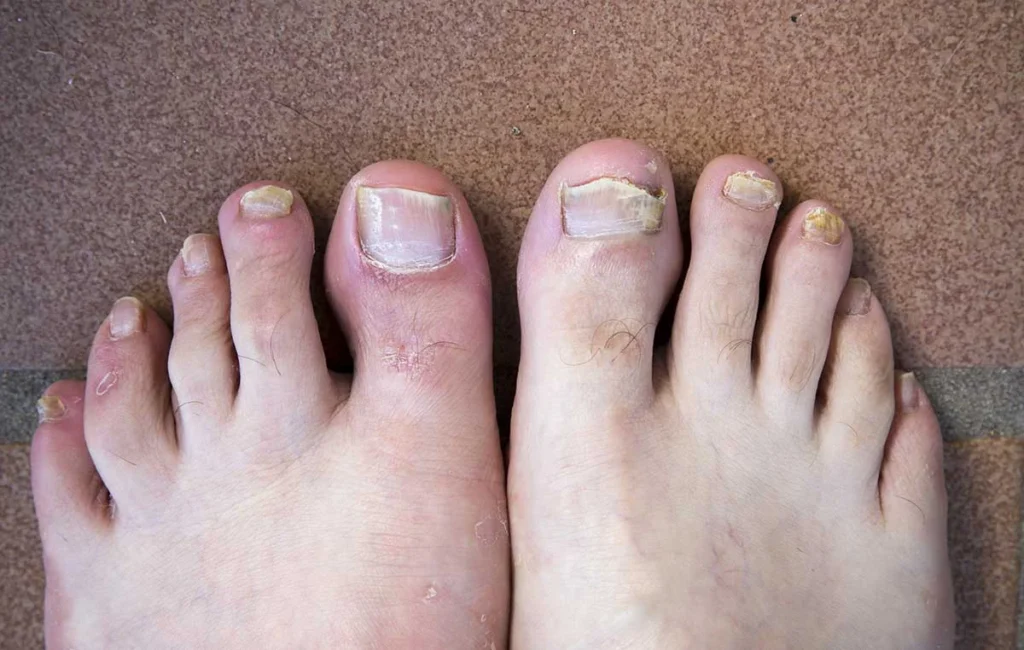
- Appearance: Thickened, discoloured, or crumbly nails
- Often affects: Toenails, sometimes fingernails
- Risk factors: Closed footwear, public pools, nail trauma
4. Pityriasis Versicolor
- Cause: Overgrowth of Malassezia yeast on the skin
- Appearance: Patches of lighter or darker skin, often on the chest, back, or shoulders
- Common in: Teenagers and adults in humid climates
How Fungal Infections Are Diagnosed
At Skin Check Australia, we begin with a clinical skin examination and dermoscopy to assess the pattern and depth of infection.
When needed, we may perform a skin scraping or nail clipping for microscopy and culture to identify the specific fungal species — allowing targeted treatment.
Treatment Options at Skin Check Australia
Our treatment plans are tailored to the type, location, and severity of your infection. Options include:
Topical Antifungal Creams
- First-line treatment for mild infections
- Common ingredients: clotrimazole, terbinafine, miconazole, ketoconazole
- Applied once or twice daily for several weeks
Oral Antifungal Medication
- Prescribed for extensive, resistant, or nail infections
- Common options: terbinafine, itraconazole, fluconazole
- Monitored to ensure liver safety and effectiveness
Adjunctive Skin Care
- Keeping the area clean, dry, and cool
- Using antifungal powders or washes
- Avoiding tight clothing and synthetic fabrics
Nail Fungal Laser Therapy (if available)
- Non-invasive treatment option for persistent onychomycosis
- Helps sterilise the nail plate and improve appearance over time
Prevention Tips
- Dry skin thoroughly after swimming or showering
- Wear breathable fabrics and change socks daily
- Avoid sharing towels, razors, or shoes
- Rotate footwear to allow drying
- Treat all affected family members simultaneously if infection spreads
When to See a Skin Specialist
Book a consultation if you experience:
- Persistent itching or rash
- Cracked, peeling, or discoloured skin between toes
- Thickened or discoloured nails
- Rash that doesn’t improve with over-the-counter creams
Early diagnosis prevents spread and recurrence.
Why Choose Skin Check Australia?
Our team combines medical-grade diagnostic tools, dermatology expertise, and evidence-based treatments to manage fungal infections effectively.
We also ensure your overall skin health through comprehensive skin checks, screening for other skin conditions like eczema, psoriasis, or precancerous lesions.
Conclusion
Fungal infections are common but entirely treatable. With professional care from Skin Check Australia, you can eliminate infection, restore comfort, and maintain healthy skin long-term.