

Warts: What They Are and How to Remove Them Safely
Warts are small, rough growths that commonly appear on the hands, fingers, feet, and other areas of the skin. Although they are usually harmless, warts can be uncomfortable, embarrassing, or difficult to get rid of. Fortunately, most warts eventually disappear, and several treatments can help speed up the process.
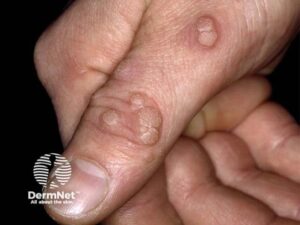
What Are Warts?
Warts are caused by certain types of human papillomavirus (HPV). The virus enters the skin through tiny cuts, scratches, or other breaks in the skin and causes the outer layer of skin to grow more quickly.
Warts are contagious and can spread through direct skin-to-skin contact or by sharing items such as towels, nail tools, or footwear. They can also spread from one part of your body to another.
Common types include:
· Common warts: Usually rough and raised, often appearing on the hands and fingers.
· Plantar warts: Develop on the soles of the feet and may grow inward because of pressure from walking.
· Flat warts: Smaller and smoother than common warts and may appear in groups.
· Periungual warts: Develop around or underneath the fingernails and toenails.
Do Warts Go Away on Their Own?
Yes. Many warts disappear without treatment because the immune system eventually fights the virus. However, this can take months or even longer.
Treatment may be worthwhile if a wart is painful, keeps returning, spreads to other areas, causes significant concern, or does not improve over time.
How to Remove Warts
1. Salicylic Acid
Salicylic acid is one of the most commonly used treatments for ordinary warts. It gradually removes layers of the wart and can be available in products such as gels, liquids, pads, and patches.
For best results, follow the product instructions carefully. Treatment often needs to be repeated regularly for several weeks.
Avoid applying salicylic acid to irritated, broken, or infected skin unless a healthcare professional has advised you to do so.
2. Cryotherapy
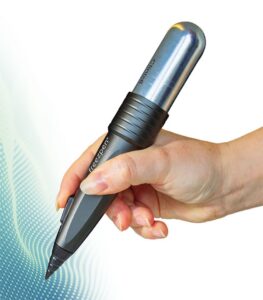
Cryotherapy involves freezing the wart, usually with liquid nitrogen. The freezing damages the wart tissue, which eventually falls away.
Cryotherapy is commonly performed by a healthcare professional, although some pharmacy products are designed for home use. Professional treatment may require several sessions.
Temporary pain, blistering, redness, or irritation can occur after treatment.
3. Other Medical Treatments
When standard treatments do not work, a doctor or dermatologist may recommend other approaches. Depending on the type and location of the wart, options can include prescription treatments, stronger medicines, or procedures that remove or destroy the wart.
The most appropriate treatment depends on the individual and should be determined by a healthcare professional.
What About Cutting or Picking a Wart?
It is best not to cut, burn, or aggressively pick at a wart yourself. Doing so can cause bleeding, infection, scarring, and potentially spread the virus to other parts of the body.
Avoid sharing nail clippers, files, towels, or other personal items that have touched a wart.
How Can You Prevent Warts From Spreading?
You can reduce the risk of spreading warts by:
· Washing your hands regularly.
· Avoiding picking or scratching warts.
· Keeping warts covered when appropriate.
· Not sharing towels, razors, nail tools, or footwear.
· Keeping feet clean and dry, particularly if you have plantar warts.
· Washing your hands after touching a wart.
When Should You See a Health Care Professional?
Not every skin growth that looks like a wart is actually a wart. You should have a skin growth assessed by a healthcare professional if you are unsure what it is, it changes in appearance, bleeds, becomes very painful, grows rapidly, or does not respond to treatment.
People with diabetes, poor circulation, reduced sensation in their feet, or a weakened immune system should seek medical advice before treating warts themselves.
The Bottom Line
Warts are common and generally harmless skin growths caused by HPV. Many disappear naturally, but treatments such as salicylic acid and cryotherapy can help remove persistent warts.
The safest approach is to avoid cutting or picking at a wart and choose a treatment appropriate for its location and type. If you are uncertain whether a growth is a wart—or if it is painful, changing, or persistent—consult a doctor or dermatologist for an accurate diagnosis and treatment plan.